Elevate Your Wellness Expertise
Continuing Education for Wellness Practitioners
Advance your skills and knowledge with our specialized courses designed for massage therapists and wellness practitioners.

Our Courses
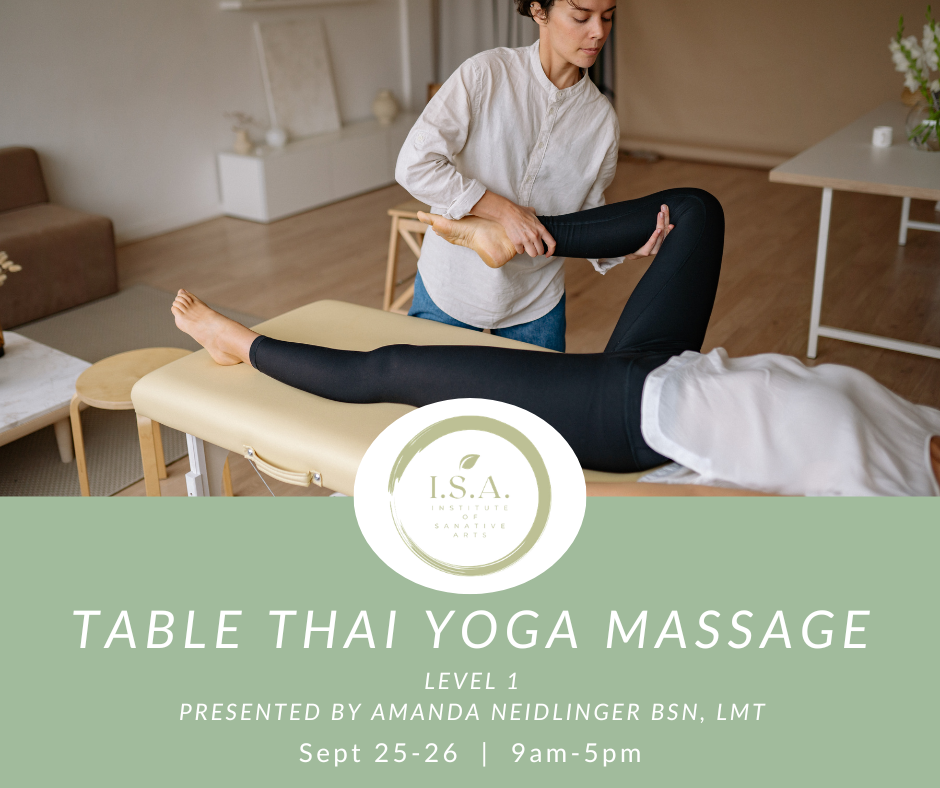
Table Thai Yoga Massage Level l
During this two-day class, you will learn an entire 1.5-hour, full-body massage sequence that incorporates all four basics of Table Thai Yoga Massage: awareness, mechanics, movement, and technique. All with effortless transitions. Table Thai is filled with tremendous learning, valuable techniques, 99% hands-on, and taught with enthusiasm.
With no pre-requisite classes, Level 1 training is accessible to massage therapists, bodyworkers, yoga teachers, acupuncturists, physical therapists, or anyone wanting to deepen their relationship to body mechanics and movements.
Save your hands! Enhance your treatment and offer Table Thai!
Two day course – 9am-5pm
Cost: $350
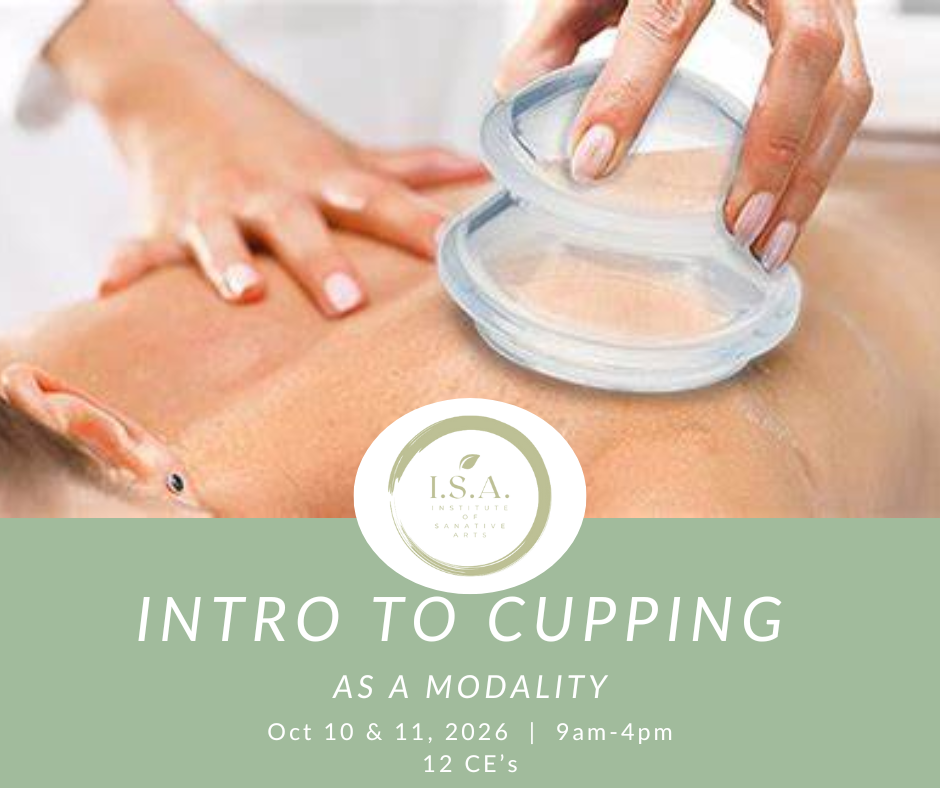
Introduction to Cupping as a Modality
This comprehensive, in-person continuing education course is designed for licensed massage therapists looking to expand their skill set and enhance their practice through the integrative technique of cupping therapy. Participants will explore the historical origins, theoretical foundations, and practical applications of cupping as a valuable modality in therapeutic massage. Throughout the course, we will cover traditional, static, and mobile cupping using a variety of silicone and plastic cupping instruments and techniques, along with contraindications and sanitation guidelines. Attendees will gain hands-on experience with proper techniques, safety protocols, and client assessments to ensure a holistic approach to treatment. Key topics include: Overview of cupping therapy and its historical significance in traditional medicine Anatomy and physiology related to cupping and its effects on the body Indications and contraindications for cupping therapy Step-by-step techniques for implementing cupping within a massage session Best practices for integrating cupping with other modalities for optimal client outcomes Post-session care and client education
Learning Outcomes:
1. **Understanding of Historical Context**: Participants will develop a thorough understanding of the historical significance of cupping therapy in various cultures, appreciating its longstanding role in traditional medicine. 2. **Knowledge of Anatomy and Physiology**: Attendees will gain insight into the relevant anatomy and physiology, specifically how cupping affects the body’s systems. This includes understanding how suction (negative pressure) impacts muscle tension, circulation, lymphatic, and overall wellness. 3. **Indications and Contraindications**: Participants will learn to identify appropriate client profiles for cupping therapy, including the various conditions it can help with and situations where cupping should be avoided to ensure client safety. 4. **Hands-On Cupping Techniques**: The course will provide participants with step-by-step training in different cupping techniques, including traditional, static, and mobile approaches, using various instruments like silicone and plastic cups. 5. **Integration Skills**: Attendees will learn best practices for incorporating cupping into existing massage sessions, allowing them to enhance their therapeutic offerings and provide clients with optimal benefits by combining techniques effectively. 6. **Post-Session Care and Client Education**: Participants will be equipped with knowledge on how to educate clients about post-session care, ensuring they understand how to maximize the benefits of cupping and what to expect after treatment. 7. **Holistic Treatment Approach**: By the end of the course, participants will be able to perform client assessments and apply a holistic approach to treatment, considering individual client needs and promoting overall wellness through integrative techniques. Overall, this course aims to empower licensed massage therapists with the skills and knowledge needed to confidently implement cupping therapy in their practice, significantly enhancing their competency and the therapeutic outcomes for their clients.
Cost: $380
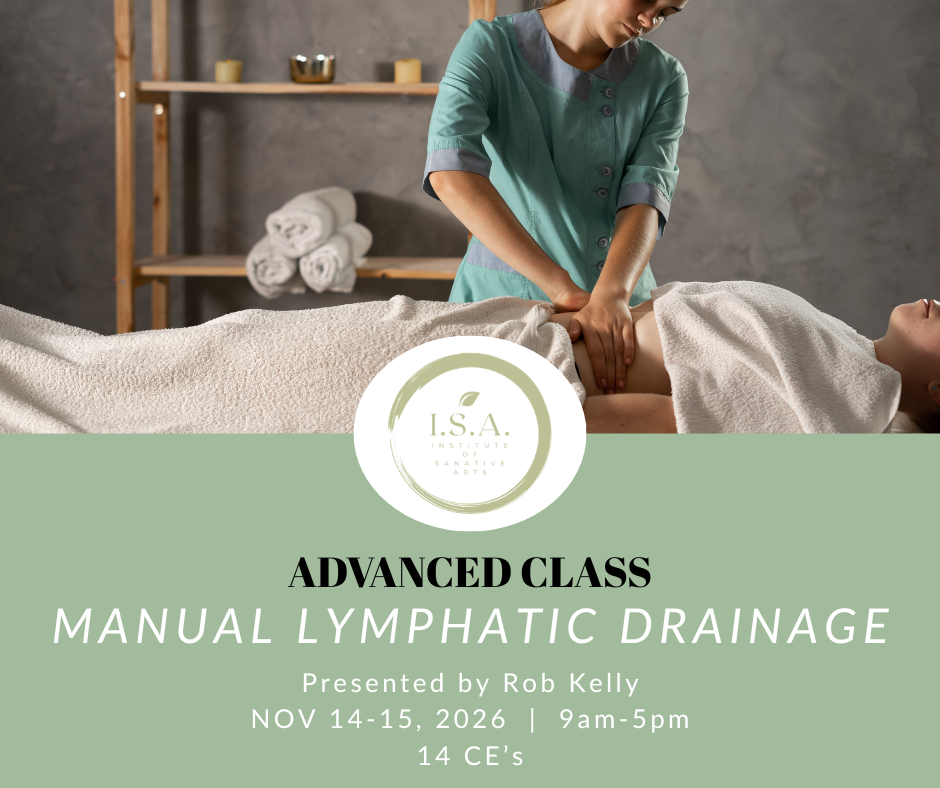
Advanced Lymphatic Drainage - Presented by Rob Kelly
This advanced Manual Lymph Drainage (MLD) course provides comprehensive instruction on techniques for managing common lymphatic system dysfunctions, including those related to the medial knee, deep abdomen, and superior neck. The curriculum covers evidence-based strategies for enhancing fluid movement within the body and around scar tissue through targeted palpation and lymphatic or fascial mobilization methods. Participants will refine their skills in detecting lymphatic rhythm and optimizing fluid dynamics. Instruction includes MLD applications for the liver, lungs, and large intestine, as well as protocols for post-surgical care.
Cost: $380
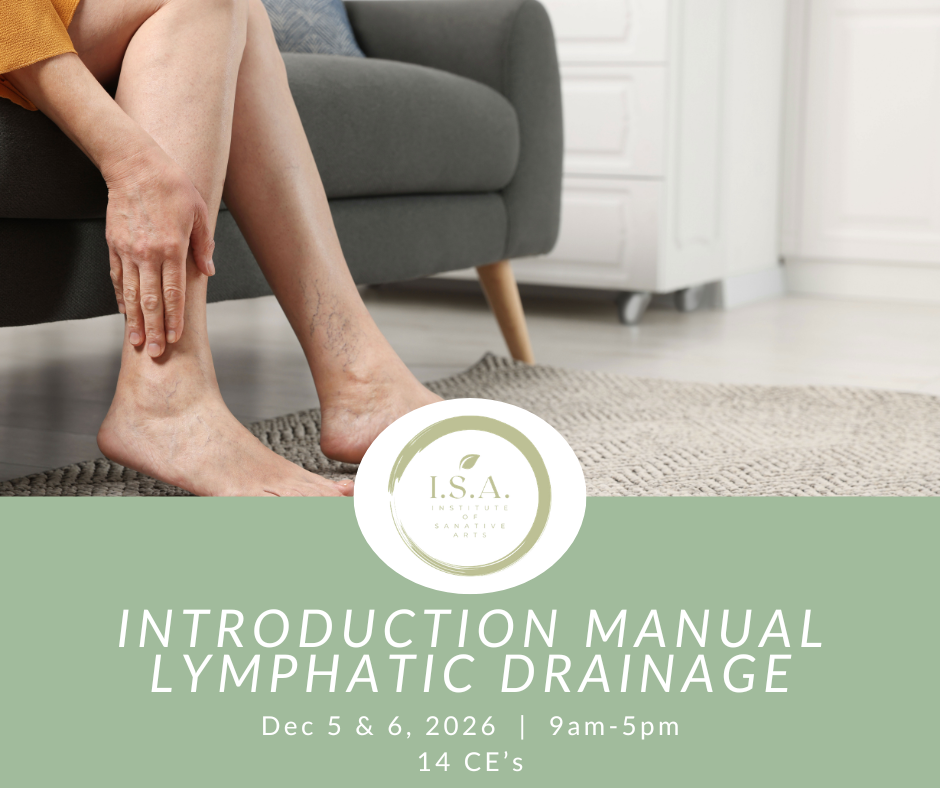
Introduction to Manual Lymphatic Drainage
Learning Outcomes:
Upon successful completion of this course, participants will be able to:
- Explain the historical development and evolution of Manual Lymphatic Drainage.
- Identify key anatomical structures of the lymphatic system, including vessels, nodes, and organs.
- Describe the physiological mechanisms of lymph flow and fluid balance. Differentiate between various types of edema and their underlying causes.
- List common indications, benefits, and contraindications for MLD. Demonstrate foundational MLD strokes and hand techniques.
- Apply appropriate pressure, rhythm, and direction when performing MLD.
- Perform an MLD sequence for the face and neck safely and effectively.
- Perform an MLD sequence for the upper body and arms. Perform an MLD sequence for the lower body and legs.
- Integrate lymphatic drainage principles into full-body treatment planning. Assess and adapt techniques for client comfort, safety, and scope of practice.
Cost: $380
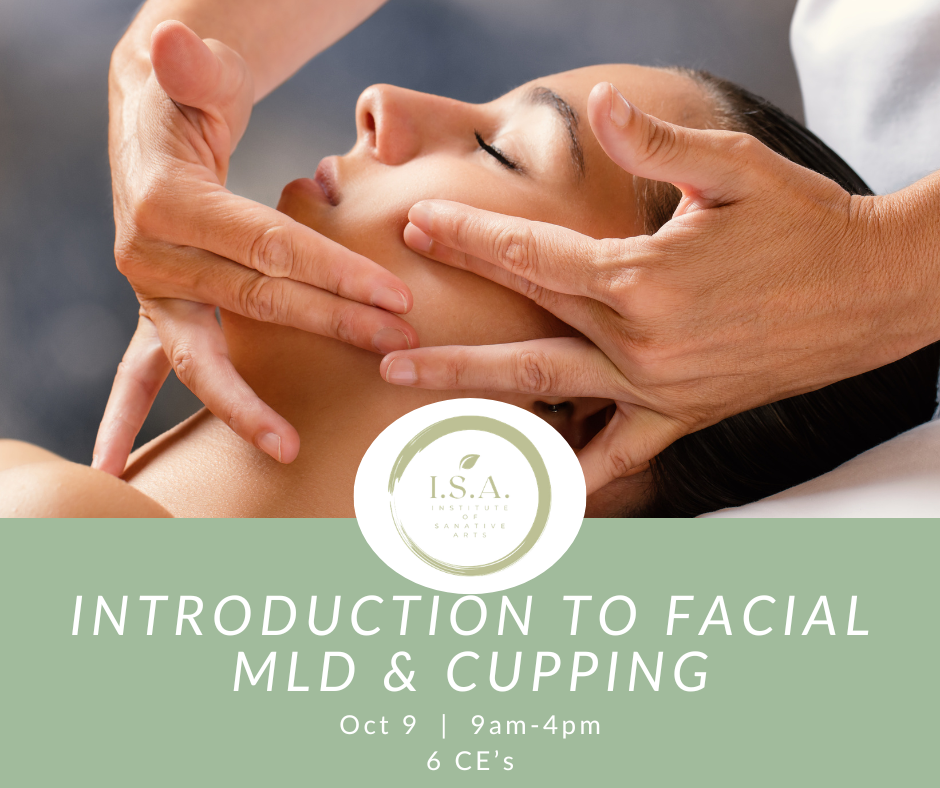
Intro to Facial MLD & Cupping
This comprehensive course is designed for licensed massage therapists seeking to enhance their practice with specialized techniques in Manual Lymphatic Drainage (MLD) and facial cupping. Participants will explore the fundamental principles and benefits of MLD, focusing on its role in promoting lymphatic circulation, reducing puffiness, and promoting overall skin health. Throughout the course, practitioners will learn the anatomy of the lymphatic system, proper hand techniques for effective drainage, and the application of cupping methods to target facial concerns. Emphasis will be placed on integrating these modalities to alleviate tension, improve skin tone, and encourage relaxation. Hands-on practice will be a key component, allowing therapists to refine their skills in a supportive environment.Learning Outcomes:
Upon completion of this course, participants will be able to:
- Understand and articulate the anatomy and physiology of the lymphatic system and its significance in facial health.
- Demonstrate manual lymphatic drainage techniques effectively and safely for the face.
- Apply facial cupping techniques to enhance the effects of MLD.
- Integrate MLD and cupping into existing treatment plans to provide holistic care to clients.
Cost: $150